Best Deck Stains & Sealers for 2026
The right stain can add 3–5 years of life to your deck. The wrong one peels in a season. Here's how to pick between semi-transparent, solid, oil-based, and water-based finishes — and the products that actually hold up.
As an Amazon Associate I earn from qualifying purchases. Affiliate disclosure.
Top picks for this category
As an Amazon Associate I earn from qualifying purchases.

Ready Seal Exterior Wood Stain & Sealer, Natural Cedar, 5 Gallon | 5 Gallon semi-transparent "Goof Proof" oil-based stain & sealer for decks, fences, siding & pergolas; no primer, no streaks.
$189.94
Check price on Amazon
Simple Green Oxy Solve Deck and Fence Pressure Washer Cleaner, Colorless to Pale Straw, Unscented, 128 Fl Oz (Packaging May Vary)
$23.99
Check price on Amazon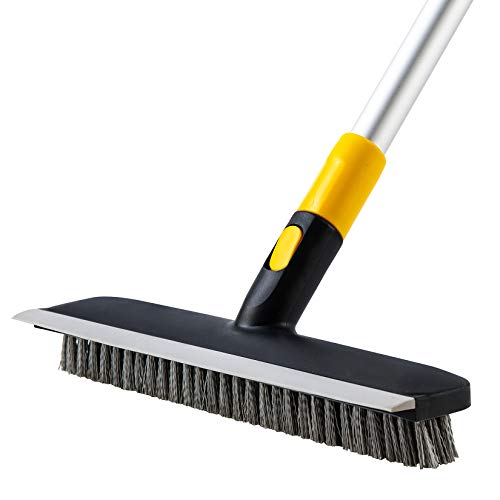
Yocada Floor Scrub Brush Telescopic Handle 2 in 1 Scrape Brush 55.9 inch | Stiff Bristle Shower Scrubber for Cleaning Patio Bathroom Garage Kitchen Wall Deck Tub Tile
Limited time dealSave 10%
$16.14Typical price:: $17.99

Olympic WaterGuard 1 gal Woodland Cedar Wood Stain & Sealer | Water-Based Deck, Fence & Siding Stain, Waterproofing UV, Semi-Transparent
$31.98
Check price on AmazonPrices and savings as of Oct 16, 2026, 5:33 AM UTC. Product prices and availability are accurate as of the date/time indicated and are subject to change. Any price and availability information displayed on Amazon.com at the time of purchase will apply to the purchase of this product.
Shopping for someone? See our backyard gift guide for deck builders & DIYers.
Start with the finish type, not the brand
Picking a deck stain is really two decisions: how much wood grain do you want to see, and how much maintenance are you willing to do. Get those right and any reputable brand will perform. Get them wrong and even the best product will peel in a year.
Clear sealers — natural look, most maintenance
A clear sealer (like Thompson's WaterSeal or Ready Seal Natural) preserves the raw wood color and adds waterproofing but no UV protection. Expect to reseal every 12–18 months. Best for cedar or redwood decks where you love the fresh-cut color and don't mind the annual routine.
Semi-transparent stains — the sweet spot
Semi-transparent penetrating stains add color and UV protection while still letting the wood grain show through. This is what most decking pros use on pressure-treated and cedar decks. Standouts:
- Ready Seal — the professional favorite. No lap marks, no back-brushing, and no film to peel. Just clean, apply, and walk away. Lasts 2–3 years in most climates.
- Cabot Australian Timber Oil — the go-to for cedar and hardwoods. Rich amber tones and deep penetration on dense woods like ipe.
- TWP 100/1500 Series — favored on the West Coast. Reapplies without stripping.
Solid stains — most protection, least grain
Solid stains look like thin paint and completely hide the wood grain. They deliver the longest UV protection (4–7 years) but form a film — meaning when they fail, you'll need to strip or sand before recoating. Best for older decks with mismatched or damaged boards where you're prioritizing coverage over natural look.
- Behr Premium Solid Color Waterproofing Stain & Sealer — Consumer Reports' longtime top pick.
- Sherwin-Williams SuperDeck Solid — pro-grade, wide color range, holds up in harsh sun.
How to actually apply it (and not screw it up)
- Wait for new pressure-treated wood to dry. Fresh PT is saturated with preservative — stain won't penetrate. Wait 4–8 weeks, or until a water droplet soaks in within 60 seconds.
- Clean and brighten. Use a deck cleaner (percarbonate-based) followed by a wood brightener (oxalic acid). This restores pH and opens the pores.
- Pick a mild day. 50–85°F, no direct sun on the boards, no rain in the 24 hours after.
- Apply thin coats. More stain does not equal more protection — puddled stain peels. Wipe off anything that hasn't absorbed in 15 minutes.
- Back-brush. Even if the label says "no back-brushing required," a light brushing evens out lap marks on horizontal boards.
How much stain will you need?
A rough rule of thumb: 1 gallon per 250 sqft of new smooth wood, or 1 gallon per 175 sqft on weathered wood. That includes deck boards, railings, and stair treads. Get an exact estimate — including cost — with our deck stain calculator.
Don't skip the cleaner and brightener
Every deck stain manufacturer publishes performance data assuming you started with a properly prepped surface. Skipping cleaner/brightener is the single biggest reason stains fail early. A $30 jug of Restore-A-Deck or Defy cleaner adds one afternoon and doubles the life of your stain job.
Bottom line
For most homeowners with a pressure-treated or cedar deck: Ready Seal semi-transparent is the lowest-effort winner. For hardwood or premium cedar: Cabot Australian Timber Oil. For an old, patched-together deck you want to hide: Behr Premium Solid. Whatever you pick, budget for cleaner and brightener too.
Choosing how to apply it? See our deck stain applicator guide.
Want an opaque finish? See our deck paint buying guide.
Frequently asked questions
How often do you need to restain a deck?
Semi-transparent stains typically need reapplication every 2–3 years. Solid stains last 4–7 years but require full stripping when they fail. Clear sealers last 12–18 months.
Should I use oil-based or water-based deck stain?
Oil-based penetrates deeper and works better on older, dried-out wood. Water-based dries faster, cleans up with soap, and has lower VOCs — better for new pressure-treated lumber and enclosed porches.
Can you stain composite decking?
No — composite doesn't absorb stain the way wood does. If your composite has faded, use a composite-specific restoration product (like Corte-Clean or Wet & Forget) rather than a stain.
How much stain do I need per square foot?
Plan for one gallon per 200–300 sqft on smooth new wood, and one gallon per 150–200 sqft on rough or weathered wood. Always buy 15% extra to cover railings, stairs, and touch-ups.
Get your deck estimate in 60 seconds
Free, no signup required.
Building something else? Try our sister calculators
Smart Fencing Calculator
Estimate fence cost by material and linear footage.
Smart Roofing Calculator
Free roof replacement cost estimates by material.
Fence Calculator
Android app — posts, pickets, panels and fence cost.
Gravel & Stone Calculator
Android app — gravel under the deck and footings, in tons and yards.
Roofing Calculator
Android app — roof squares, shingles and covered-deck roofs.
Drywall Calculator
Android app — drywall sheets, mud, and tape estimates.